
The two-year MANDARA study found benralizumab and mepolizumab equally effective for eosinophilic granulomatosis with polyangiitis (EGPA). About two-thirds of patients achieved remission, nearly half stopped steroids, and relapses were rare. Both drugs were safe, reduced inflammation, and maintained asthma control—whichever was used first.
Two Years, Two Medicines, One Goal: Long-Term Control of EGPA
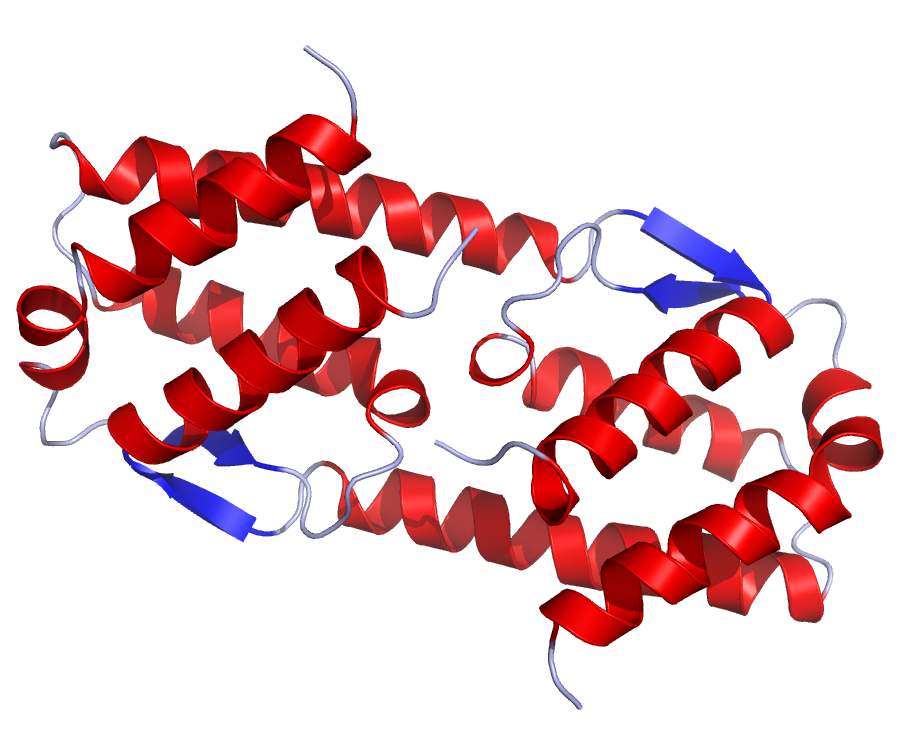
The MANDARA study looked at two medicines—benralizumab and mepolizumab—that target the same immune signal called IL-5. This signal helps a type of white blood cell (eosinophils) grow. In EGPA, too many eosinophils cause inflammation in blood vessels, leading to asthma, sinus trouble, and nerve pain.
How the study worked
- 128 adults with EGPA took part
- Year 1: Half got benralizumab, half got mepolizumab
- Year 2: Everyone got benralizumab
- The aim: see who went into remission, how many relapsed, and if people could reduce—or stop—steroids
What they found after 2 years
- Around 2 out of 3 people in both groups were in remission
- Relapses were uncommon—most stayed stable in the second year
- Nearly half of all patients stopped steroids completely
- Asthma and lung function stayed steady
- Side effects were mostly mild
The takeaway
Both medicines work well for the long term. They can control EGPA, reduce the need for steroids, and keep asthma in check. Starting with either drug gives a strong chance of lasting improvement.
Reference: Merkel PA, Nair PK, Khalidi N, et al; MANDARA Study Group. Two-year efficacy and safety of anti-interleukin-5/receptor therapy for eosinophilic granulomatosis with polyangiitis. Ann Rheum Dis. 2025;00:1-12. doi:10.1016/j.ard.2025.06.2131.